I am an environmental sociologist of work and home.
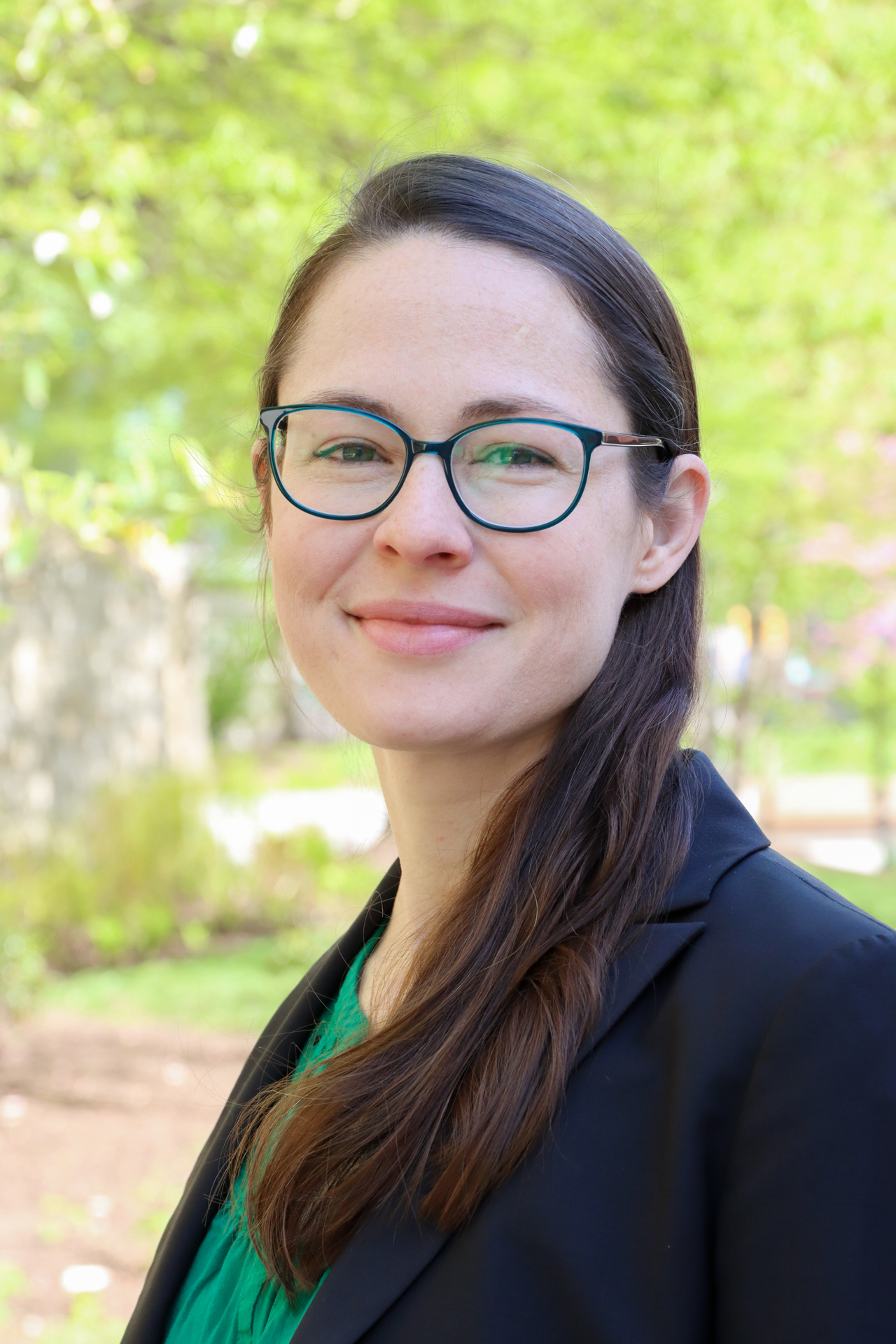
My research asks how communities across the urban-rural spectrum interact with place as they navigate large-scale crises. I pursue this agenda in two concrete arenas of research. First, I interrogate how communities historically reliant on natural resource extraction and manufacture manage complex economic and environmental changes. Second, I study the conditions in which political and economic powerbrokers enable or constrain those significant changes. Across both lines of research, I compare rural and urban cases to illuminate how spatial inequalities impact local capacities for managing structural transformations.
I received my PhD in Sociology at the University of Wisconsin-Madison, and I am now an Associate Professor of Sociology at Drexel University in Philadelphia, Pennsylvania.
My scholarship is rooted in my early experiences growing up in a former coal mining village in Pennsylvania’s Appalachian Mountains. I experienced how the past continued to impact the region as rivers ran orange from iron oxide mine waste. I saw the frustration of neighbors who loved their rural hometown, but found it increasingly emptied of jobs, grocery stores, and habitable houses. Grounded in this background, my research links the stories people tell about their places and their people within broader patterns of environmental and economic change. My field work has taken me from homesteads in Swaziland, to kitchen tables in dairyland Wisconsin, to red-dirt roads post-war northern Uganda, and most recently, to urban and rural Rust Belt communities.Review my publications and methodologies pages for more information on my body of work.
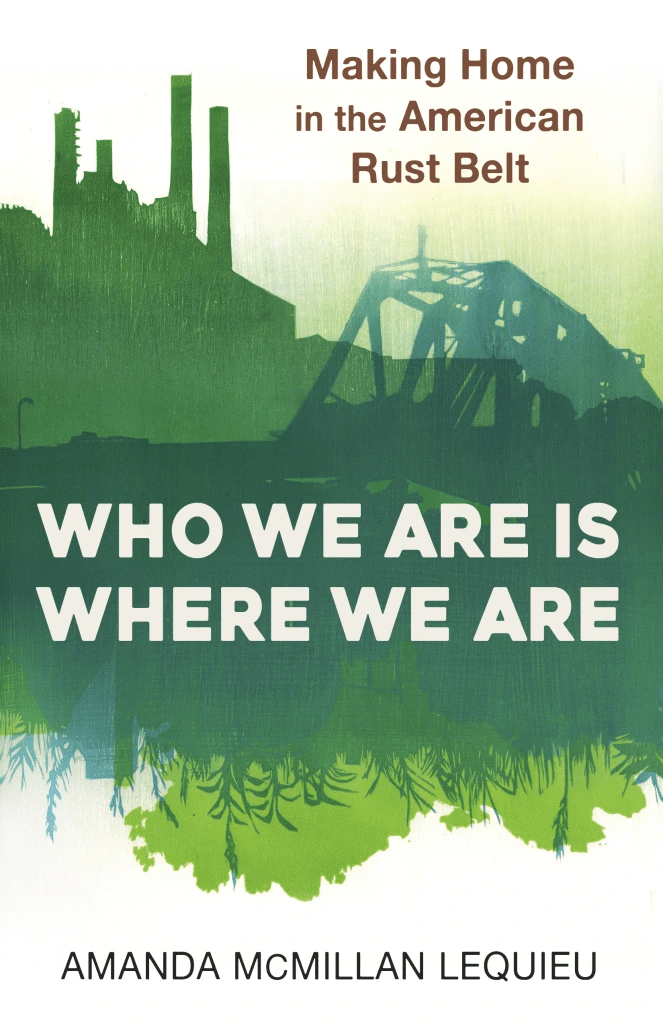
My 2024 book, Who we are is where we are: Making home in the American Rustbelt, links the past and the present, rural and urban, to shed new light on life in postindustrial communities. Beyond a story of Midwestern deindustrialization, this book provides broader insight into the capacious idea of home—how and where it is made, threatened, and renegotiated in a world fraught with change. Buy from your local bookseller, Amazon, or directly from the publisher, Columbia University press
Contact me at mcmillanlequieu (at) drexel (dot) edu

